
decorative frosted glass
The Slow Closing Check Valve from Storaen (Cangzhou) International Trading Co. represents a breakthrough in fluid control technology. Designed for applications requiring precise flow regulation and noise reduction, this valve combines innovative engineering with durable performance. This article explores its key features, technical specifications, and real-world applications, supported by insights from the National Institute of Standards and Technology (NIST) on measurement standards and industrial innovation. Product Overview The 300X Slow-Closing Muffler Check Valve is engineered to address common challenges in fluid systems, such as water hammer and excessive pressure surges. Its novel structure ensures a sealing effect that minimizes leakage while maintaining low resistance and high flow capacity. The valve's ability to adjust its opening/closing speed based on site conditions makes it adaptable to diverse industrial environments. According to the National Institute of Standards and Technology (NIST) , precision in measurement and control systems is critical for industrial efficiency. The Slow Closing Check Valve aligns with these principles by leveraging advanced materials and design to ensure consistent performance under varying operational demands. Key Features and Advantages Novel Structural Design: The valve's unique mechanism allows for controlled closure, reducing the risk of sudden pressure spikes that can damage piping systems. Superior Sealing Performance: High-quality seals ensure minimal leakage, even under high-pressure conditions. Low Resistance and High Flow Capacity: Optimized internal geometry minimizes flow resistance while maximizing throughput. Adjustable Operation: Users can fine-tune the valve's response time to match specific system requirements. Long Service Life: Durable construction withstands harsh environments, reducing maintenance needs. Water Hammer Mitigation: The slow-closing feature dampens pressure surges, protecting equipment and extending system lifespan. Technical Specifications Parameter Specification Model 300X Slow-Closing Muffler Check Valve Flow Capacity Large, optimized for high-volume applications Pressure Rating Varies by model; designed for industrial-grade systems Material High-strength alloys and corrosion-resistant components Sealing Mechanism Advanced elastomer or metal-seated design Adjustment Range Customizable closure speed for site-specific conditions Service Life Extended durability with minimal wear Applications and Industry Use Cases The Slow Closing Check Valve is ideal for applications where precise flow control and pressure management are critical. Key industries include: Water Treatment: Prevents water hammer in municipal and industrial water supply systems. Oil and Gas: Ensures safe and efficient flow regulation in pipelines and processing units. Power Generation: Protects turbines and pumps from pressure surges in cooling and feedwater systems. Manufacturing: Enhances reliability in hydraulic and pneumatic systems. HVAC Systems: Reduces noise and wear in heating and cooling infrastructure. As highlighted by NIST , the integration of advanced control mechanisms in industrial equipment is a cornerstone of modern engineering. The Slow Closing Check Valve exemplifies this trend, offering solutions that align with the standards of precision and reliability emphasized in NIST's research on measurement science. Company Background: Storaen (Cangzhou) International Trading Co. Storaen (Cangzhou) International Trading Co. is a leading provider of industrial valves and fluid control solutions. With a focus on innovation and quality, the company serves a global clientele, delivering products that meet rigorous performance and safety standards. Their commitment to engineering excellence is reflected in the design of the Slow Closing Check Valve. For more information about Storaen's product range and services, visit their official website . Conclusion The Slow Closing Check Valve from Storaen (Cangzhou) International Trading Co. is a testament to the power of precision engineering in modern industrial systems. Its ability to control flow, mitigate pressure surges, and adapt to diverse environments makes it an indispensable component for critical applications. By adhering to the principles of measurement and innovation championed by organizations like NIST , this product sets a new benchmark for reliability and performance in fluid control technology. References National Institute of Standards and Technology (NIST) . "Driving Innovation: From developing precise atomic clocks to creating encryption standards to supporting manufacturing, NIST plays a crucial role in advancing technology." Retrieved from https://www.nist.gov . Storaen (Cangzhou) International Trading Co. . "Slow Closing Check Valve." Retrieved from https://www.strmachinery.com/slow-closing-check-valve.html .
about
decorative frosted glass
Understanding No Go Pin Gauges An Essential Tool for Quality Control In the realm of manufacturing and quality control, precision is paramount. One of the essential tools used in ensuring that parts meet strict tolerances is the no go pin gauge. This simple yet effective instrument plays a crucial role in verifying the dimensions of various components, ensuring that they meet specifications and can function properly in their intended applications. In this article, we will delve into the purpose, design, and application of no go pin gauges, highlighting their significance in the manufacturing process. What is a No Go Pin Gauge? A no go pin gauge is a type of measuring tool used in the inspection of holes and slots in components. It typically comes in two variants the go gauge and the no go gauge. The go gauge is used to determine if an object fits within the desired size range, whereas the no go gauge is designed to check for maximum allowable limits. If the no go gauge fits into the hole or slot being measured, it indicates that the part does not meet the required specifications and is deemed unacceptable. Design and Materials No go pin gauges are usually made from high-quality materials such as hardened steel or carbide to ensure durability and precision. Their design is straightforward; they often resemble a pin or cylindrical shape that is available in various diameters. The no go gauge is calibrated to match the specified tolerances, with precise dimensions that allow for accurate assessments during inspections. The ends of the pin gauge are usually marked with the gauge size, and some may feature additional markings to facilitate understanding of the measurement system being used. For industries that demand high precision, such as aerospace and automotive, the construction and calibration of no go pin gauges are subject to strict standards to ensure accuracy over time. Applications of No Go Pin Gauges No go pin gauges find applications across various industries, particularly in quality control processes where adherence to specifications is critical. They are commonly used in no go pin gauge 1. Manufacturing During the production of parts, no go gauges help in verifying that holes and slots are not oversized or out of tolerance. This is crucial to ensuring that components fit together correctly in assemblies. 2. Maintenance and Repair In the maintenance of machinery, technicians may use no go pin gauges to assess wear in components. If a part shows signs of being out of tolerance, it may need to be replaced or repaired to maintain optimal function. 3. Tool Making Toolmakers employ no go gauges to ensure that they create tools that meet specified tolerances. This is vital for the production of tools that will be used for critical applications, where deviations can lead to failures or inefficiencies. 4. Quality Assurance In quality assurance programs, no go pin gauges are an integral part of the inspection process. They help to confirm that manufactured parts or assemblies meet the rigorous standards required by regulatory bodies and industry norms. Benefits of Using No Go Pin Gauges The primary benefit of using no go pin gauges is enhanced quality control. By providing a straightforward method to evaluate whether parts are within permissible limits, manufacturers can reduce the risk of defective products entering the market. This, in turn, leads to increased customer satisfaction and decreased costs associated with returns and repairs. Additionally, no go pin gauges are easy to use and do not require complex calibration procedures, making them an accessible tool for operators on the shop floor. Their durability ensures that they can be used repeatedly without significant wear, maintaining accuracy over long periods. Conclusion No go pin gauges are indispensable tools in the world of manufacturing and quality assurance. Their ability to provide a clear, objective measurement ensures that components meet essential specifications, leading to better overall product quality. As industries continue to advance and the demand for precision increases, the role of no go pin gauges will remain vital in maintaining high standards of workmanship and reliability. Whether in a large-scale manufacturing operation or a small repair shop, understanding and utilizing no go pin gauges can significantly contribute to the overall success of production processes.
-

High quality industrial productsagement

High quality industrial products
View Details -

Meet the diverse needs of customers

Meet the diverse needs of customers
View Details -

Strict quality control

Strict quality control
View Details -

Top raw materials

Top raw materials
View Details -

Trusted supplier

Trusted supplier
View Details
Our application


news and information

Vanne anti-retour de haute qualité - Solutions fiables pour la gestion des fluides
Les vannes anti-retour Un élément essentiel dans les systèmes de plomberie Les vannes anti-retour
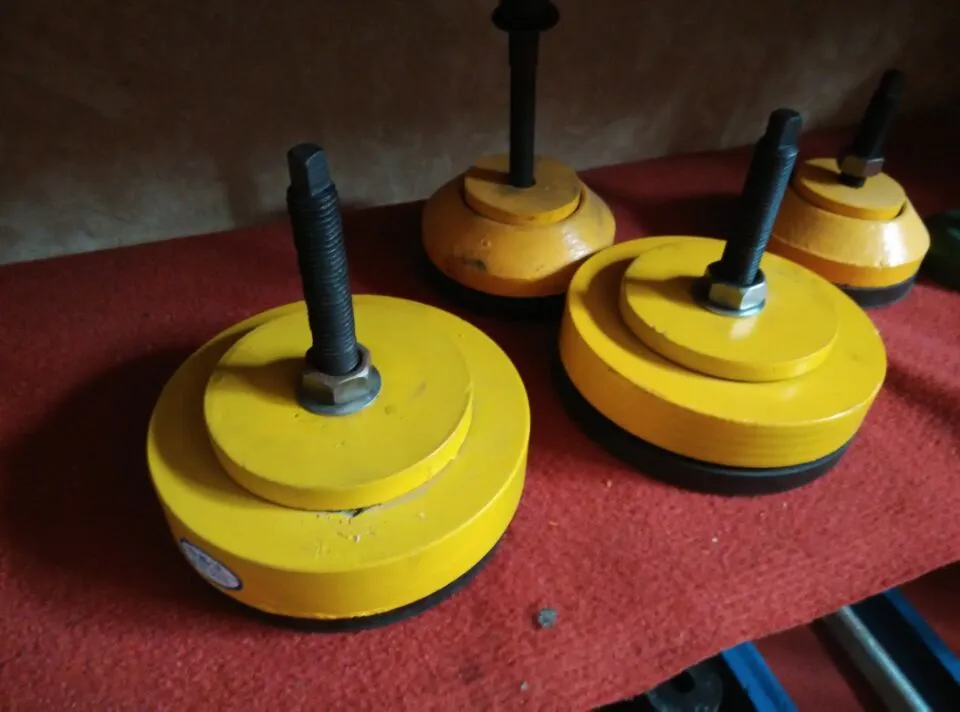
Versatile Thread Ring Gauge for Precision Measurement and Adjustment in Manufacturing Applications
adjustable thread ring gauge .
Válvulas de compuerta y válvula de cierre
Las válvulas de compuerta (gate valves) y las válvulas de globo (globe valves) son dos tipos de válv
 English